Emily's Playground Home

Category

Child Development

23 articles

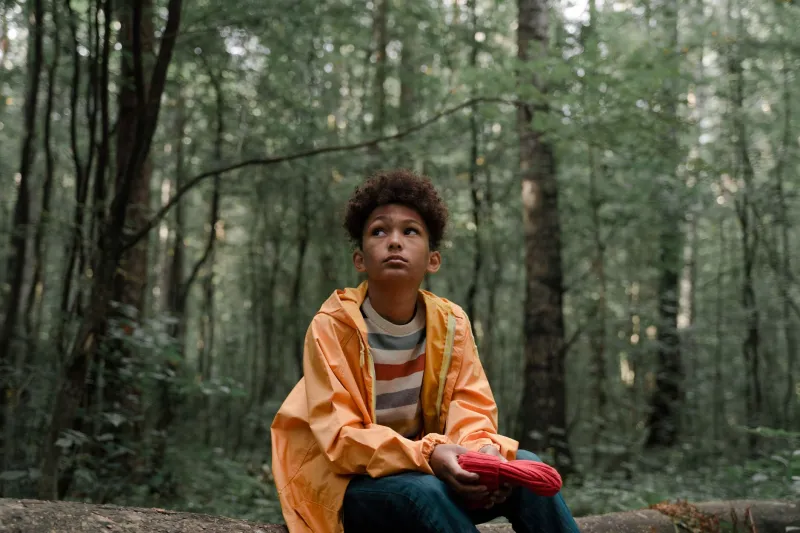
Why We Should Stop Rescuing Kids From Boredom (And What to Do Instead)

Why We Should Stop Rescuing Kids From Boredom (And What to Do Instead)

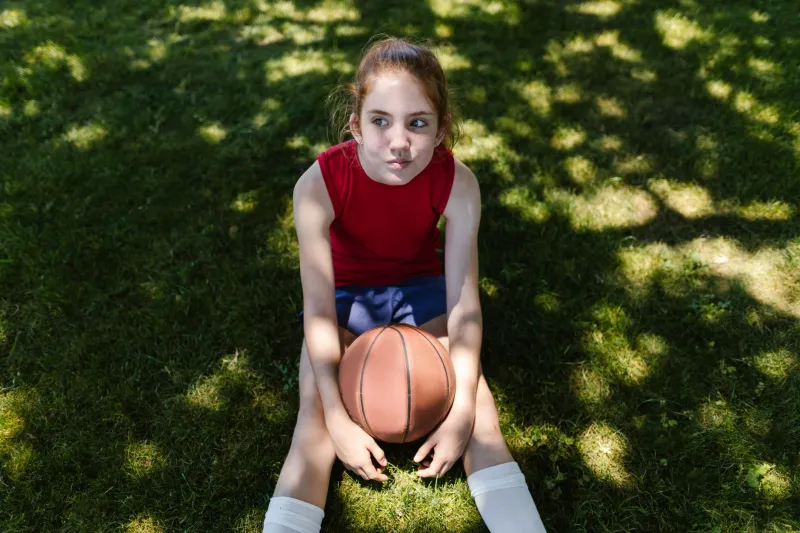
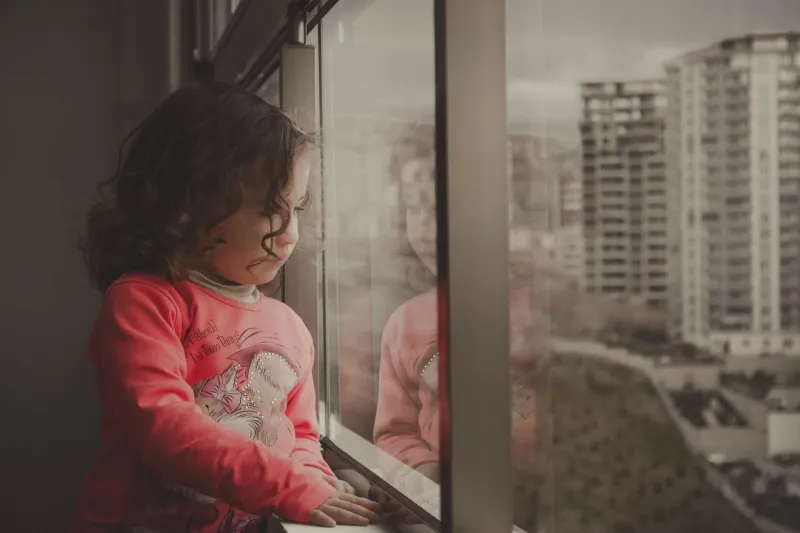
We've built a childhood culture so packed with stimulation that kids are losing the ability to simply sit with themselves—and that loss is showing up in their mental health. Here's why boredom isn't the enemy, and how to help kids learn to handle it without reaching for a screen.
Why Teaching Kids to Say 'Yes, And' Could Be the Best Thing You Do for Their Social Life

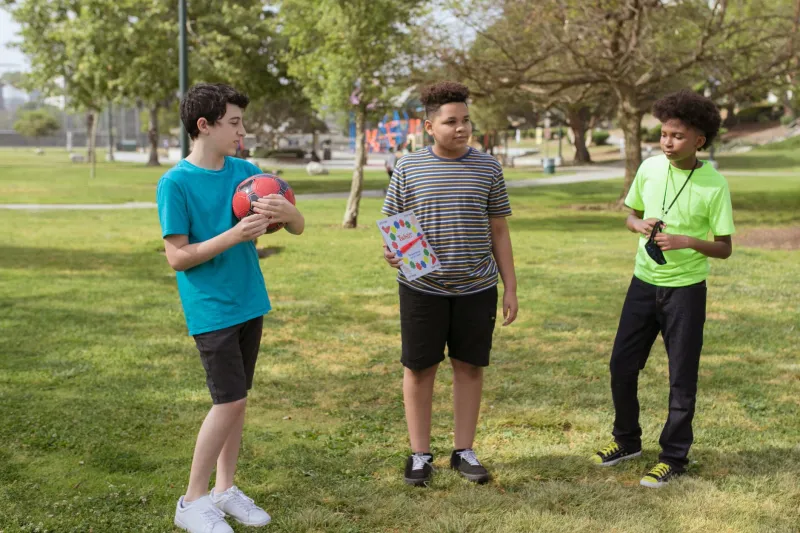
Why Teaching Kids to Say 'Yes, And' Could Be the Best Thing You Do for Their Social Life

There's a simple two-word habit borrowed from improv comedy that's quietly transforming how kids connect, create, and work together. When children learn to accept and build on each other's ideas instead of shutting them down, something remarkable happens — friendships deepen, group projects actually get fun, and even disagreements start to feel more like adventures. Here's why this mindset matters way more than most parents realize.

Step Back, Watch the Magic: Why Kids Learn More When You Let Them Struggle First

Step Back, Watch the Magic: Why Kids Learn More When You Let Them Struggle First

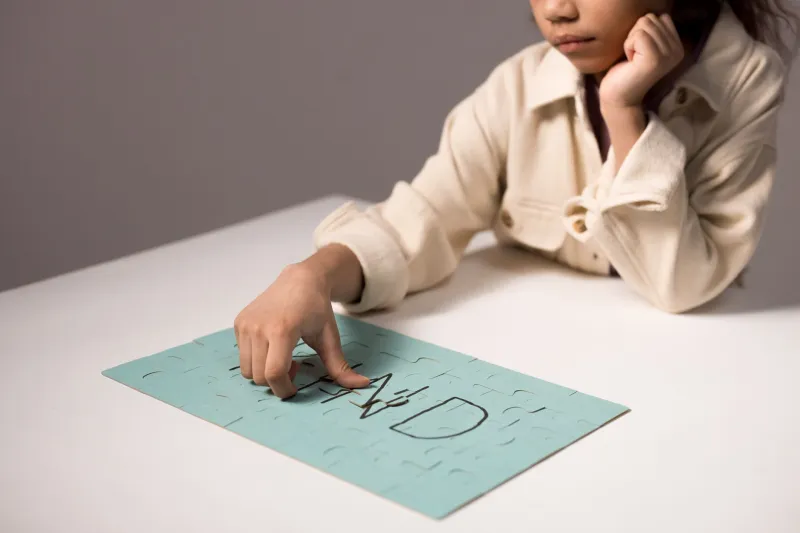
It's tempting to jump in the moment your kid looks confused, but that instinct might actually be getting in the way. Research shows children build stronger, longer-lasting understanding when they wrestle with a problem before anyone explains the answer. Here's how to tell the difference between a kid who needs help and one who's right on the edge of a breakthrough.

Why the Snack Break Is the Smartest Part of Your Kid's Day (And You're Probably Rushing Through It)

Why the Snack Break Is the Smartest Part of Your Kid's Day (And You're Probably Rushing Through It)

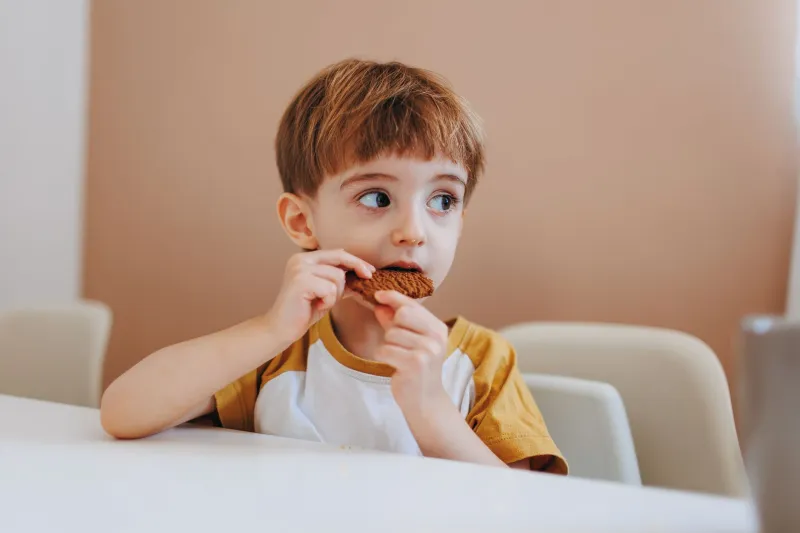
It turns out the five minutes between activities — the ones where your kid is just munching goldfish crackers and staring at the ceiling — might be doing more for their brain than the structured activity that follows. Here's the neuroscience behind why unplanned snack time is secretly one of the best things you can offer your child, and how to stop accidentally skipping it.

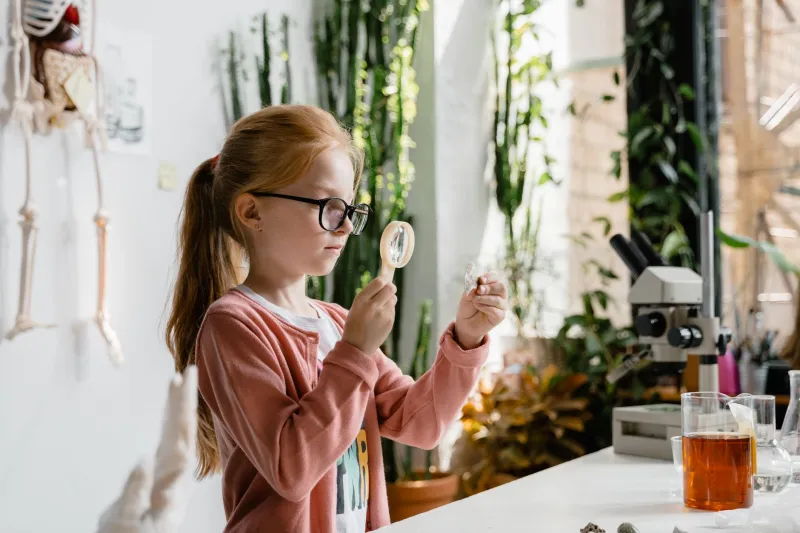
Why Your Kid's Wandering Mind Is Actually Hard at Work

Why Your Kid's Wandering Mind Is Actually Hard at Work

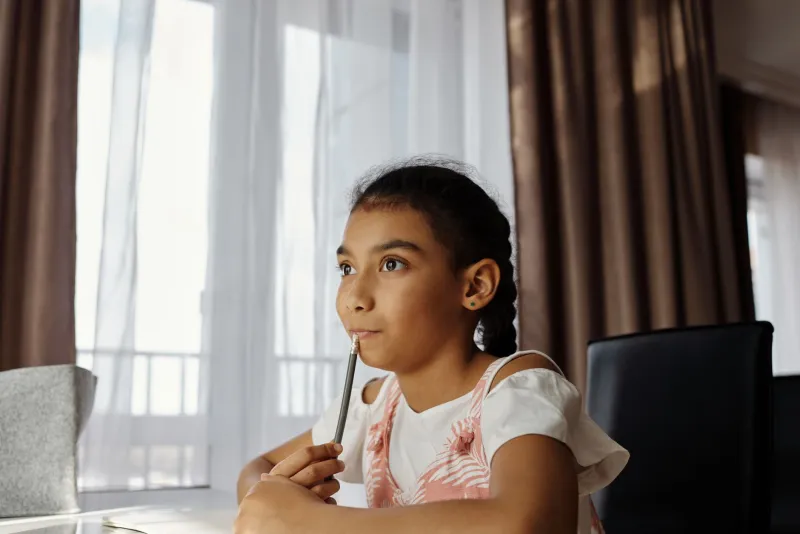
That kid doodling on the margins of their homework page? They might be closer to a breakthrough than the one who dove straight in. New research into how children's brains process problems reveals that what looks like dawdling is often something far more interesting happening under the hood.

Half-Finished and Totally Fine: What It Really Means When Your Kid Drops a Project

Half-Finished and Totally Fine: What It Really Means When Your Kid Drops a Project

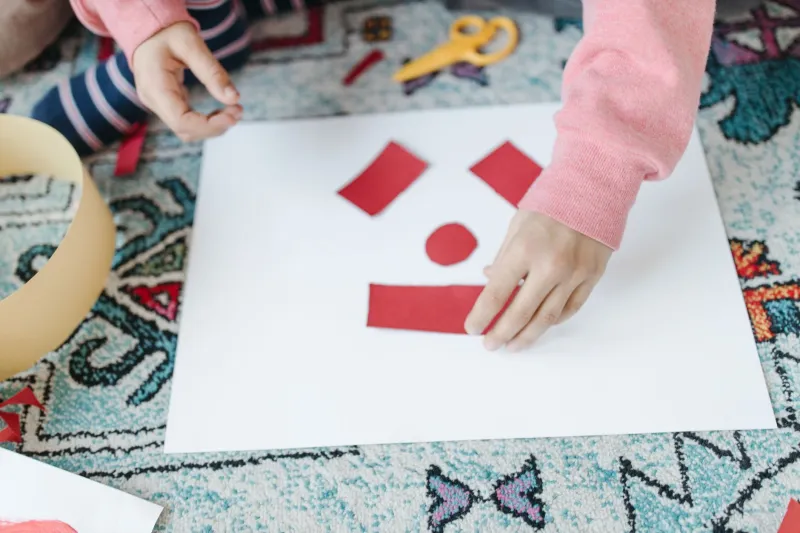
Your kid dove headfirst into building a cardboard rocket ship, and now it's sitting half-painted in the corner while they've moved on to something completely different. Before you nudge them back to finish what they started, it's worth understanding what's actually happening in that busy little brain — and why the pivot itself might be the whole point.

Why Your Kid's 'Stalling' Might Actually Be Genius in Disguise

Why Your Kid's 'Stalling' Might Actually Be Genius in Disguise

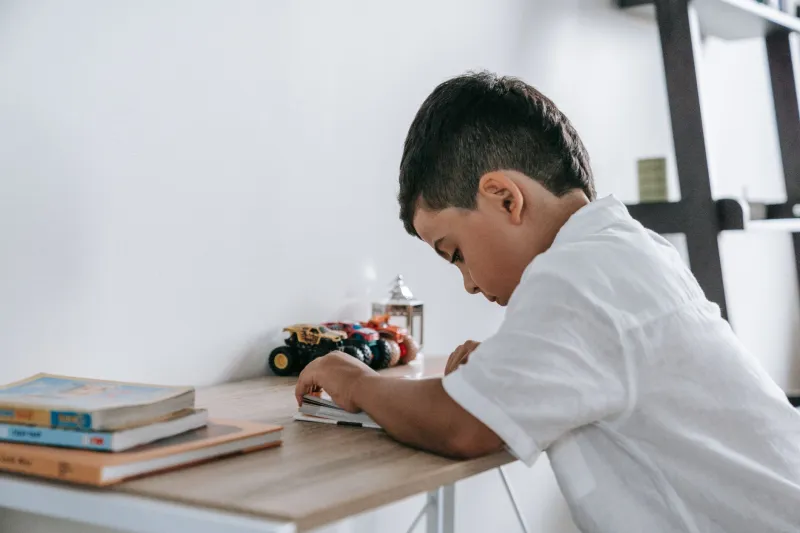
That moment when your child abandons their homework to build a Lego tower or doodle in the margins? It might not be pure avoidance after all. Science suggests the wandering brain is actually doing some of its most powerful work — and smart parents can learn to tell the difference between a creative detour and a genuine roadblock.

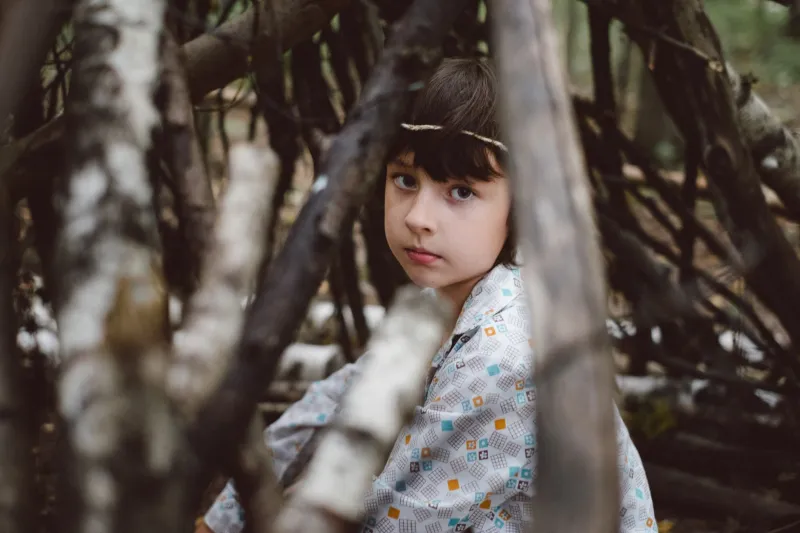
Boredom by Design: How Giving Kids Empty Time Builds Real Confidence

Boredom by Design: How Giving Kids Empty Time Builds Real Confidence

Most parents scramble to fill every quiet moment, but research suggests that the right kind of boredom is one of the most powerful confidence-builders a child can experience. Learn how to intentionally carve out unscheduled time — and how to tell the difference between a kid who's thriving in the open space and one who genuinely needs a hand.

Why 'What If?' Is the Most Powerful Question Your Kid Can Ask

Why 'What If?' Is the Most Powerful Question Your Kid Can Ask

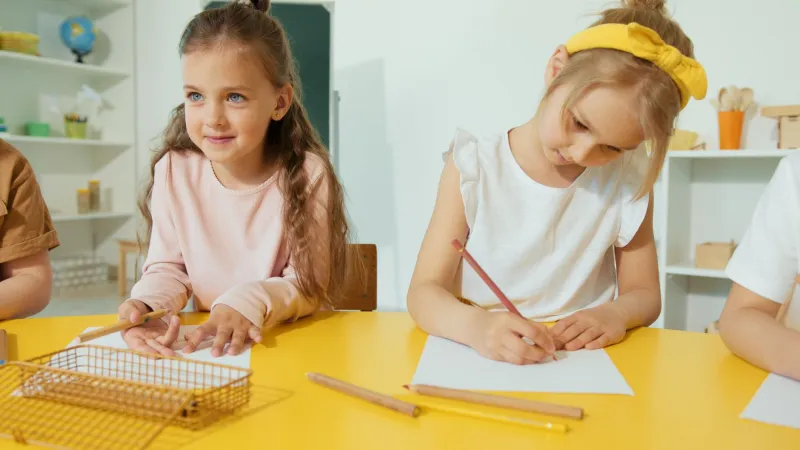
When kids are free to wonder, experiment, and follow their own hunches, something remarkable happens — they start thinking like scientists. Discover how curiosity-driven play builds the kind of deep problem-solving skills that no worksheet can teach, and learn simple ways to nurture that 'what if?' mindset at home.

Bored or Stuck? How to Read Your Kid's Downtime (and Know When to Help)

Not every quiet afternoon is created equal — there's a big difference between the kind of boredom that sparks big ideas and the kind that leaves kids spinning their wheels in frustration. Learning to tell the two apart is one of the most useful parenting tools you probably never knew you needed. Here's how to tune in to your child's signals and respond in ways that actually help.

When Play Hits a Wall: A Parent's Playbook for Reigniting Kids' Imagination Without Stealing the Show

Every kid hits that moment when the LEGOs feel pointless and the backyard looks boring — but that creative wall isn't a problem to fix, it's a skill to build. Learn how to tell the difference between a genuine creative slump and healthy boredom, and discover low-key strategies that spark imagination without taking over. Real dialogue, real activities, and real talk about when to step in versus step back.

Stop Filling Every Hour: Why the Best Thing You Can Do for Your Kid Is Simply Let Them Play

In a world of packed schedules and endless enrichment activities, free play is quietly disappearing from childhood — and experts say that's a serious problem. Unstructured playtime isn't just fun; it's one of the most important ingredients in raising creative, resilient, and emotionally healthy kids. Here's why it matters more than you might think.